


Compared with other valves, Manual gate valves have the following advantages and disadvantages:
advantage
Low fluid resistance: When the manual Gate valve is fully opened, the gate opening height is large, and the fluid can pass through the valve without obstruction. The flow channel is almost unobstructed, and its resistance coefficient is relatively small among various valves, especially suitable for the transportation of media in large-diameter pipelines, which can effectively reduce the pressure loss of fluid in the pipeline.
Wide applicability: It can be used for various media, including water, steam, oil, gas, and some corrosive media. At the same time, it can adapt to different working pressures and temperature ranges, with corresponding materials and models of manual gate valves available for various working conditions from low to high pressure, low to high temperature.
Good sealing performance: When the gate valve is closed, a good seal can be formed between the gate and the valve seat. As long as the sealing surface is not damaged or worn, it can effectively prevent medium leakage and ensure reliable sealing performance. Some high-quality manual gate valves, after special sealing treatment, can control their leakage at a very low level.
Simple structure: The structure of a manual gate valve is relatively simple, mainly composed of valve body, gate plate, valve stem, valve seat and other components. This simple structure makes the manufacturing process of the valve relatively easy, with low cost, and also easy to install and maintain, which has certain advantages in some engineering projects with strict cost control.
disadvantage
Effortless operation: Manual gate valves rely on manual rotation of the handwheel to drive the gate up and down. For large diameter or high-pressure valves, the operating torque is large, requiring significant manpower to operate, especially in frequent opening and closing situations, resulting in high labor intensity for operators.
Slow opening and closing speed: The opening and closing process of manual gate valves is achieved by manually rotating the handwheel. Compared with some automatic valves, its opening and closing speed is relatively slow. In some situations where there are strict requirements for valve opening and closing time, such as emergency shut-off or rapid adjustment conditions, manual gate valves may not be able to meet the requirements.
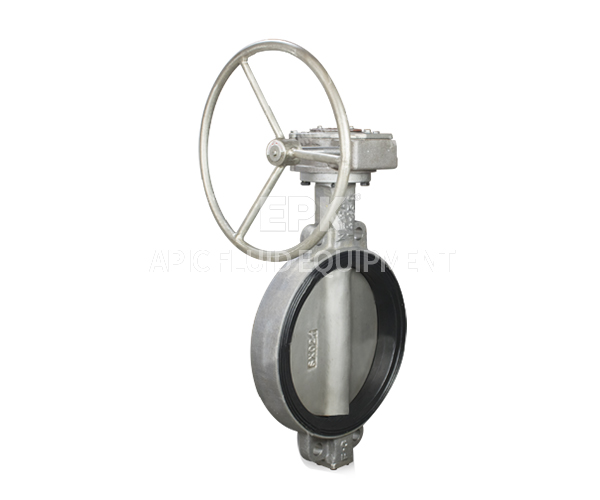
Difficult to precisely control flow: Manual gate valves are mainly used to cut off or connect media in pipelines, and in some application scenarios, their flow regulation performance is relatively poor. Although the flow rate can be adjusted by controlling the opening height of the gate, it is difficult to achieve precise flow control due to the structure and characteristics of the gate, and it is not suitable for situations that require high flow accuracy.
There is a problem of sealing surface wear: During frequent opening and closing processes, friction and wear may occur between the sealing surfaces of the gate and valve seat, and long-term use may lead to a decrease in sealing performance. Especially when the medium contains particles and impurities, wear will be more severe, affecting the service life and sealing effect of the valve. It is necessary to regularly inspect and maintain the sealing surface, and replace it if necessary.
This website uses cookies to ensure you get the best experience on our website.

Comment
(0)