


When selecting suitable valves for high temperature and high pressure Gate valve manufacturers, they usually consider the following aspects:
Medium characteristics
Temperature: Clarify the working temperature range of the medium. Generally speaking, for sub high temperature media between 325-425 ℃, materials such as WCB, WCC, A105, WC6, and WC9 can be selected for water and steam; 425-550 ℃ is classified as high temperature grade I, and the main material can be "high temperature grade I medium carbon chromium nickel rare earth titanium high-quality heat-resistant steel" based on CF8 in ASTMA351 standard. Different temperature ranges correspond to different material requirements to ensure stable performance of the valve at high temperatures.
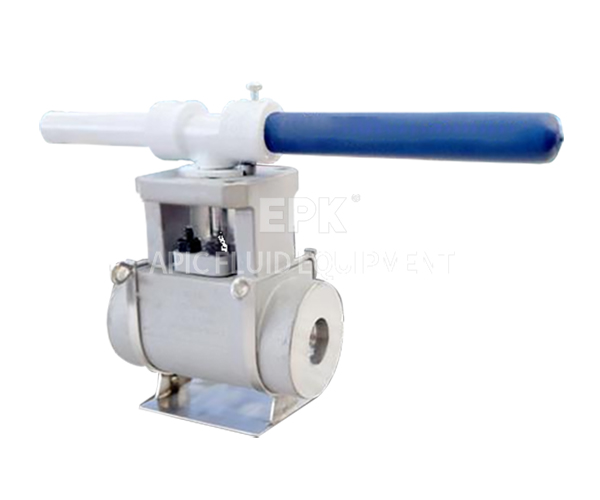
Pressure: Determine the working pressure of the system and select valves that can withstand the corresponding pressure level. For example, high-temperature and high-pressure power station gate valves can be used on the power station pipelines of Class1500- Class3500 and PN250- PN320. The rated pressure of the valve should be greater than or equal to the maximum working pressure of the system to ensure safe and reliable operation.
Corrosivity: If the medium is corrosive, such as containing acid, alkali, salt, etc., corrosion-resistant materials such as stainless steel, alloy steel, Hastelloy alloy, nickel based alloy, etc. should be selected. For high-temperature environments with sulfur-containing oil products, valves made of materials such as CF8, CF8M, CF3, and CF3M have good resistance to sulfide corrosion.
Viscosity: When the viscosity of the medium is high, it is necessary to choose valves with high flow capacity and low flow resistance to reduce energy loss and pressure drop. When the gate valve is fully open, the flow path is almost unobstructed, making it suitable for high flow transportation of high viscosity media. However, it may not be suitable for high viscosity media that require precise flow control.
Valve material
Valve body material: selected based on characteristics such as medium temperature, pressure, and corrosiveness. In high temperature, high pressure, and non corrosive water or steam media, carbon steel or chromium molybdenum alloy steel can be selected; For corrosive media, stainless steel or special alloy materials should be used.
Sealing material: The performance of the sealing material directly affects the sealing effect and service life of the valve. Common sealing materials include graphite, polytetrafluoroethylene (PTFE), etc. In high temperature environments, flexible graphite formed fillers have good high-temperature resistance and sealing performance; PTFE fillers have good chemical stability and low friction coefficient, but their usage temperature is limited, usually below 250 ℃.
Valve stem material: The valve stem needs to withstand certain pressure and friction, while also preventing corrosion and wear. Generally, an integral forging structure is adopted, which is subjected to quenching and surface nitriding treatment, such as A105, F304, F316 and other materials, to improve their corrosion resistance, abrasion resistance and wear resistance.
Structure Design
Gate type: Wedge gate valve and Parallel gate valve are two common types. Wedge gate valves are suitable for high-pressure and fine sealing applications, with good sealing performance; Parallel gate valves have certain advantages in high temperature and high pressure environments. During the opening and closing process, the friction between the gate and the valve seat is relatively small, making it less prone to jamming.
Sealing structure: High temperature and high pressure gate valves usually adopt a pressure self tightening sealing structure, which has better sealing performance when the chamber pressure in the valve is higher. At the same time, the sealing surfaces of the valve seat and gate are specially treated, such as using plasma spray welded Stellite cobalt based hard alloy, which can improve the hardness, wear resistance, high temperature resistance, and corrosion resistance of the sealing surface, and extend the service life of the valve.
Connection method: Choose the appropriate connection method based on the pipeline connection requirements and installation environment, such as butt welding connection, flange connection, etc. Welding connections are suitable for high temperature and high pressure applications, ensuring the strength and sealing of the connection; Flange connection is convenient for installation and maintenance, but attention should be paid to the sealing performance of the flange under high pressure.
Drive mode
Manual: Suitable for situations where the operation is infrequent and there are personnel on site. The advantages are simple structure and low cost, but in large diameter or high-pressure valves, the operation is more laborious.
Electric: It can achieve remote control and automation operation, suitable for large industrial devices or systems that require centralized control. It has the advantages of easy operation and fast action, but requires power supply and control equipment.
Pneumatic: Powered by compressed air, it has the characteristics of fast operation, simple maintenance, and good explosion-proof performance. It is commonly used in occasions with explosion-proof requirements, but requires a gas source system.
Gear transmission: It can be used for large diameter valves or situations that require a large operating torque. Through the gear transmission mechanism, the manually operated torque can be amplified, making the operation easier.
Traffic characteristics
According to system requirements, if the system does not require high flow regulation and mainly needs to cut off or connect the medium, a gate valve is a suitable choice because it has a large flow rate and low flow resistance when fully open. But if precise adjustment of flow is required, it may be necessary to combine other types of valves or use specially designed gate valves.
Consider valve diameter: Select the appropriate valve diameter based on the diameter and flow requirements of the pipeline. The diameter of the valve should match the pipeline to ensure that it can meet the flow requirements of the system under normal working conditions, while avoiding pressure loss and unstable flow caused by oversized or undersized diameters.
maintenance
Choose structures that are easy to maintain: for example, some valve seals are easy to replace, and the design of valve stems and other components is easy to inspect and lubricate, which can reduce maintenance costs and downtime.
Consider the manufacturer's after-sales service: Choose a manufacturer with good after-sales service, which can provide timely technical support, maintenance services, and parts supply to ensure that any problems with the valve during use can be quickly resolved.
This website uses cookies to ensure you get the best experience on our website.

Comment
(0)