


**Manual gate valve Uses in Wastewater Treatment: Are They Effective?**
**Introduction**
Manual Gate valves are a fundamental component in wastewater treatment systems, playing a crucial role in controlling the flow of liquids and sludge. These valves are widely used due to their simple design, reliability, and ability to provide a tight shut-off. However, their effectiveness in wastewater treatment depends on factors such as application, maintenance, and operational conditions. This article explores the uses of manual gate valves in wastewater treatment, their advantages, limitations, and overall effectiveness.
---
**What is a Manual Gate Valve?**
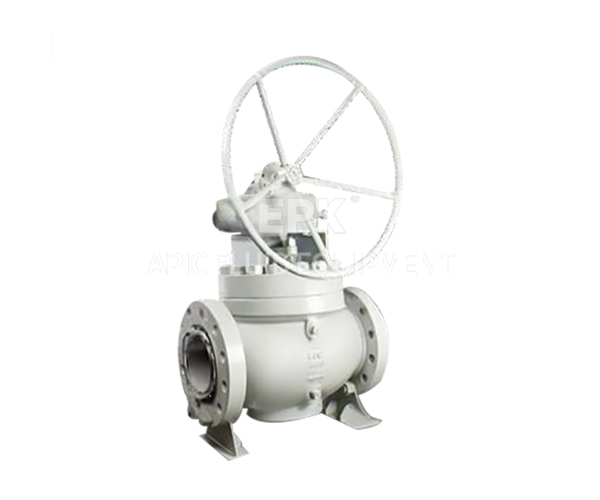
A manual gate valve is a linear-motion valve that uses a sliding gate (or wedge) to start or stop fluid flow. The gate moves perpendicular to the flow direction, either fully opening or closing the passage. Unlike ball or butterfly valves, gate valves are not designed for throttling but rather for isolation purposes.
**Key Components:**
1. **Body & Bonnet** – Houses the internal parts.
2. **Gate/Wedge** – Moves up and down to control flow.
3. **Stem** – Connects the handwheel to the gate.
4. **Seat** – Provides a tight seal when closed.
5. **Handwheel** – Used for manual operation.
---
**Uses of Manual Gate Valves in Wastewater Treatment**
Wastewater treatment involves multiple stages where flow control is essential. Manual gate valves are commonly used in the following applications:
**1. Flow Isolation in Pipelines**
Gate valves are installed in wastewater pipelines to isolate sections for maintenance, repairs, or system modifications. Their full-bore design minimizes pressure drop when fully open, making them ideal for high-flow applications.
**2. Sludge and Effluent Control**
In sludge handling systems, manual gate valves regulate the movement of thick, abrasive slurries. Their robust construction allows them to handle solids-laden fluids without clogging.
**3. Pump and Tank Isolation**
Gate valves are used to isolate pumps, clarifiers, and settling tanks, ensuring safe maintenance without disrupting the entire treatment process.
**4. Bypass and Diversion Systems**
During emergencies or maintenance, gate valves divert wastewater flow to alternative treatment paths, ensuring continuous operation.
**5. Chemical Dosing Lines**
In disinfection and pH adjustment processes, gate valves control the flow of chemicals into treatment tanks.
---
**Advantages of Manual Gate Valves in Wastewater Treatment**
**1. Tight Shut-Off Capability**
Gate valves provide a bubble-tight seal when closed, preventing leakage—a critical feature in wastewater systems where contamination must be avoided.
**2. Low Pressure Drop**
When fully open, the gate retracts completely into the bonnet, offering minimal flow resistance, which is beneficial for energy efficiency.
**3. Durability in Harsh Conditions**
Constructed from materials like cast iron, stainless steel, or ductile iron, gate valves resist corrosion and wear from abrasive wastewater.
**4. Simple Operation and Maintenance**
Manual gate valves require no external power source, making them reliable in remote or power-limited areas. Their straightforward design also simplifies maintenance.
**5. Cost-Effectiveness**
Compared to automated valves, manual gate valves are more affordable, making them a practical choice for budget-conscious facilities.
---
**Limitations and Challenges**
**1. Not Suitable for Throttling**
Gate valves should only be used in fully open or closed positions. Partially opening them can cause vibration, seat erosion, and premature failure.
**2. Slow Operation**
Manual operation means slower response times compared to automated valves, which can be a drawback in emergency situations.
**3. Susceptibility to Clogging**
If wastewater contains large debris or fibrous materials, the gate may get stuck, requiring frequent cleaning.
**4. High Torque Requirement**
In large-diameter applications, manual operation can be physically demanding, necessitating gear operators or actuators for ease of use.
**5. Potential for Corrosion and Scaling**
Wastewater often contains corrosive chemicals and minerals that can degrade valve components over time, requiring regular inspections.
---
**Effectiveness of Manual Gate Valves in Wastewater Treatment**
**Where They Excel**
- **Reliable Isolation** – Ideal for applications requiring complete shut-off.
- **High-Flow Systems** – Efficient in large-diameter pipelines with minimal pressure loss.
- **Low-Maintenance Environments** – Suitable for facilities with limited automation needs.
**Where They Fall Short**
- **Frequent Adjustments** – Not suitable for systems requiring constant flow modulation.
- **Automation Needs** – Manual operation may be inefficient in large-scale or high-risk plants.
**Best Practices for Optimal Performance**
1. **Regular Maintenance** – Inspect seals, stems, and gates for wear.
2. **Proper Installation** – Ensure correct alignment to prevent binding.
3. **Use in Appropriate Applications** – Avoid throttling and use only for isolation.
4. **Material Selection** – Choose corrosion-resistant materials (e.g., stainless steel for aggressive wastewater).
---
**Conclusion**
Manual gate valves are highly effective in wastewater treatment for isolation, flow control, and durability in harsh conditions. While they have limitations—such as slow operation and unsuitability for throttling—their reliability, cost-effectiveness, and tight shut-off make them indispensable in many treatment plants. By selecting the right valve type, maintaining it properly, and using it in appropriate applications, wastewater facilities can maximize the benefits of manual gate valves while minimizing drawbacks.
For large-scale or automated systems, combining manual gate valves with automated actuators may provide a balanced solution, ensuring both efficiency and control in wastewater management.
This website uses cookies to ensure you get the best experience on our website.

Comment
(0)