


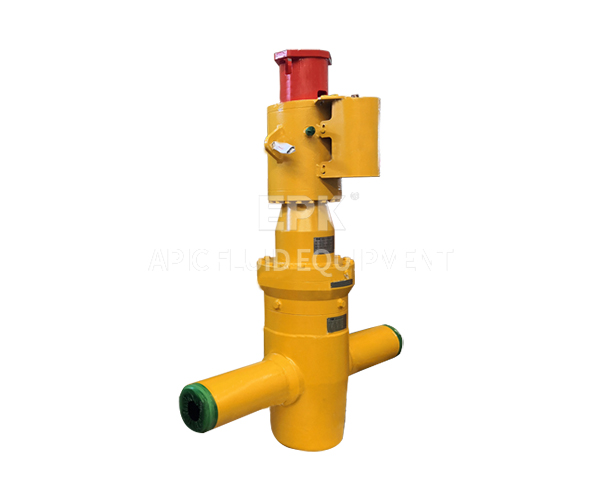
**Common Issues with Manual gate valves and How to Fix Them**
Manual Gate valves are widely used in various industries and applications, including water supply, oil and gas, and HVAC systems. They are designed to control the flow of fluids by raising or lowering a gate or wedge inside the valve body. While they are generally reliable, manual gate valves can encounter several issues over time due to wear and tear, improper installation, or environmental factors. This article explores the most common problems associated with manual gate valves and provides practical solutions to address them.
---
**1. Valve Leakage**
**Issue:**
Leakage is one of the most frequent problems with manual gate valves. It can occur at the valve seat, stem, or body. Leakage not only reduces the efficiency of the system but can also lead to safety hazards or environmental contamination.
**Causes:**
- Worn or damaged valve seat or gate.
- Improper sealing due to debris or corrosion.
- Loose or damaged packing around the stem.
- Incorrect installation or alignment.
**Solutions:**
- **Inspect and Clean:** Disassemble the valve and inspect the seat and gate for damage or debris. Clean the components thoroughly to remove any buildup.
- **Replace Seals:** If the seat or gate is worn or damaged, replace them with new components.
- **Tighten Packing:** Check the stem packing and tighten it if necessary. Replace the packing material if it is worn out.
- **Realign the Valve:** Ensure the valve is properly installed and aligned with the pipeline to prevent misalignment-related leakage.
---
**2. Difficult Operation (Stiff or Stuck Valve)**
**Issue:**
Manual gate valves can become difficult to operate over time, requiring excessive force to open or close. In severe cases, the valve may become completely stuck.
**Causes:**
- Corrosion or rust on the valve stem or gate.
- Buildup of debris or sediment inside the valve.
- Lack of lubrication.
- Thermal expansion or contraction due to temperature changes.
**Solutions:**
- **Lubricate the Stem:** Apply a suitable lubricant to the valve stem to reduce friction.
- **Clean the Valve:** Disassemble the valve and remove any debris or sediment that may be obstructing the movement of the gate.
- **Address Corrosion:** If corrosion is present, clean the affected areas with a wire brush or sandpaper. In severe cases, replace the corroded components.
- **Use a Lever or Wrench:** For stubborn valves, use a lever or wrench to apply additional force, but avoid excessive force that could damage the valve.
---
**3. Stem Leakage**
**Issue:**
Leakage around the stem is a common problem in manual gate valves, often caused by a failure in the stem packing.
**Causes:**
- Worn or damaged stem packing.
- Improper installation of the packing material.
- Over-tightening the packing gland, causing deformation.
**Solutions:**
- **Replace the Packing:** Remove the old packing material and replace it with new packing of the appropriate size and material.
- **Adjust the Gland Nut:** Tighten the gland nut evenly to ensure proper sealing without over-compressing the packing.
- **Inspect the Stem:** Check the stem for damage or wear. If the stem is damaged, it may need to be repaired or replaced.
---
**4. Corrosion**
**Issue:**
Corrosion is a significant concern for manual gate valves, especially in environments with high moisture, chemicals, or salt exposure. Corrosion can weaken the valve components and lead to leaks or failure.
**Causes:**
- Exposure to corrosive fluids or environments.
- Use of incompatible materials for the valve components.
- Lack of protective coatings or maintenance.
**Solutions:**
- **Choose Corrosion-Resistant Materials:** Select valves made from materials that are resistant to corrosion, such as stainless steel, brass, or plastic.
- **Apply Protective Coatings:** Use anti-corrosion coatings or paints to protect the valve body and components.
- **Regular Maintenance:** Inspect the valve regularly for signs of corrosion and address any issues promptly.
---
**5. Noise or Vibration**
**Issue:**
Manual gate valves can produce noise or vibration during operation, which may indicate underlying problems.
**Causes:**
- Turbulent flow due to improper valve sizing.
- Loose components or improper installation.
- Cavitation or water hammer effects.
**Solutions:**
- **Check valve Sizing:** Ensure the valve is appropriately sized for the flow rate and pressure of the system.
- **Tighten Components:** Inspect the valve and pipeline for loose bolts or fittings and tighten them as needed.
- **Install Dampers:** Use dampers or shock absorbers to reduce vibration and noise.
- **Address Water Hammer:** Install water hammer arrestors or adjust the valve operation to minimize sudden pressure changes.
---
**6. Gate or Seat Damage**
**Issue:**
The gate or seat of a manual gate valve can become damaged over time, leading to improper sealing or leakage.
**Causes:**
- Wear and tear from frequent use.
- Exposure to abrasive or corrosive fluids.
- Misalignment or improper installation.
**Solutions:**
- **Inspect Regularly:** Check the gate and seat for signs of wear or damage during routine maintenance.
- **Replace Damaged Parts:** If the gate or seat is damaged, replace them with new components.
- **Ensure Proper Alignment:** Verify that the valve is correctly installed and aligned with the pipeline.
---
**7. Thermal Expansion or Contraction**
**Issue:**
Manual gate valves can be affected by thermal expansion or contraction, especially in systems with fluctuating temperatures.
**Causes:**
- Temperature changes causing the valve components to expand or contract.
- Use of materials with poor thermal stability.
**Solutions:**
- **Use Temperature-Resistant Materials:** Select valves made from materials that can withstand the operating temperature range.
- **Allow for Expansion:** Design the pipeline with expansion joints or loops to accommodate thermal changes.
- **Monitor Temperature:** Regularly monitor the system temperature and adjust the valve operation as needed.
---
**Preventive Maintenance Tips**
To minimize the occurrence of these issues, regular preventive maintenance is essential. Here are some tips:
- **Schedule Routine Inspections:** Periodically inspect the valve for signs of wear, leakage, or corrosion.
- **Clean the Valve:** Remove debris and sediment that can obstruct the valve operation.
- **Lubricate Moving Parts:** Apply lubricant to the stem and other moving components to ensure smooth operation.
- **Replace Worn Parts:** Replace any worn or damaged parts promptly to prevent further damage.
- **Follow Manufacturer Guidelines:** Adhere to the manufacturer’s recommendations for installation, operation, and maintenance.
---
**Conclusion**
Manual gate valves are robust and reliable components in many fluid control systems, but they are not immune to issues. Common problems such as leakage, difficult operation, corrosion, and noise can arise due to various factors. By understanding the causes of these issues and implementing the appropriate solutions, you can ensure the longevity and efficient performance of your manual gate valves. Regular maintenance and proper installation are key to preventing problems and maintaining the integrity of your system.
This website uses cookies to ensure you get the best experience on our website.

Comment
(0)