


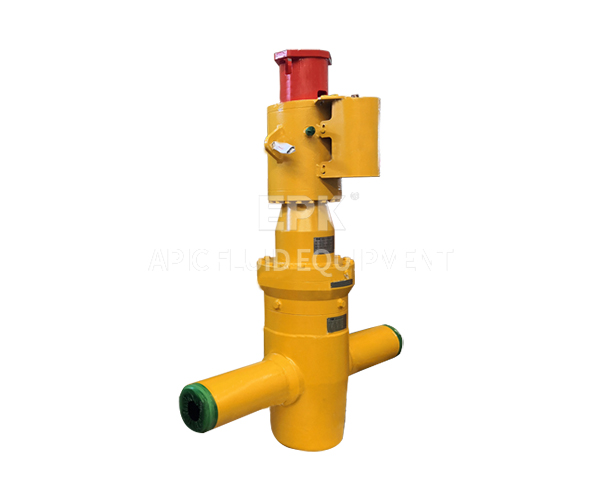
Handling High-Frequency Cycling in High Temperature and High Pressure Gate valves
Gate valves are critical components in various industrial applications, particularly in systems that operate under high temperatures and high pressures. These valves are designed to control the flow of fluids, gases, or slurries by opening or closing a gate mechanism. However, when subjected to high-frequency cycling—where the valve is repeatedly opened and closed over short intervals—gate valves can experience accelerated wear and tear, leading to potential failures. This article explores the challenges associated with high-frequency cycling in high-temperature and high-pressure gate valves and provides strategies to mitigate these issues.
1. Understanding the Challenges
**1.1 Thermal Stress and Fatigue**
High-temperature environments impose significant thermal stress on gate valves. The repeated cycling between open and closed positions exacerbates this stress, leading to material fatigue. Over time, this can cause cracks, deformation, or even catastrophic failure of the valve components.
**1.2 Pressure Fluctuations**
High-pressure systems are inherently more susceptible to pressure fluctuations. Frequent cycling can lead to pressure surges or water hammer effects, which can damage the valve and the surrounding piping system. The gate valve must be robust enough to withstand these pressure changes without compromising its integrity.
**1.3 Wear and Erosion**
The constant movement of the gate and other internal components during high-frequency cycling results in mechanical wear. Additionally, the flow of high-temperature and high-pressure fluids can cause erosion of the valve's internal surfaces, further accelerating wear and reducing the valve's lifespan.
**1.4 Seal Degradation**
Seals and gaskets in gate valves are critical for preventing leaks. However, under high-temperature and high-pressure conditions, these seals can degrade more quickly. Frequent cycling compounds this issue, leading to potential leaks and reduced sealing efficiency.
2. Material Selection
**2.1 High-Temperature Alloys**
Selecting materials that can withstand high temperatures is crucial. Alloys such as stainless steel, Inconel, and Hastelloy are commonly used in high-temperature gate valves due to their excellent thermal stability and resistance to oxidation.
**2.2 Wear-Resistant Materials**
To combat wear and erosion, materials with high hardness and wear resistance, such as tungsten carbide or ceramic coatings, can be applied to the gate and other critical components. These materials can significantly extend the valve's service life under high-frequency cycling conditions.
**2.3 High-Pressure Resistance**
Materials must also be chosen for their ability to withstand high pressures. High-strength alloys and specialized coatings can enhance the valve's resistance to pressure-induced stress and deformation.
3. Design Considerations
**3.1 Robust Gate Mechanism**
The gate mechanism should be designed to minimize stress concentrations and distribute forces evenly. A well-designed gate can reduce the likelihood of fatigue failure and extend the valve's operational life.
**3.2 Enhanced Sealing Systems**
Advanced sealing systems, such as metal-to-metal seals or elastomeric seals with high-temperature resistance, can improve the valve's ability to maintain a tight seal under high-frequency cycling conditions.
**3.3 Pressure Relief Features**
Incorporating pressure relief features, such as pressure-balanced designs or surge suppressors, can mitigate the effects of pressure fluctuations and reduce the risk of damage during cycling.
4. Operational Strategies
**4.1 Controlled Cycling**
Implementing controlled cycling protocols can reduce the frequency and intensity of valve operations. For example, using automated systems to gradually open and close the valve can minimize thermal and mechanical stress.
**4.2 Regular Maintenance**
Regular maintenance is essential to identify and address wear and tear before it leads to failure. This includes inspecting the gate, seals, and other components for signs of degradation and replacing them as needed.
**4.3 Monitoring and Diagnostics**
Advanced monitoring systems can provide real-time data on the valve's condition, including temperature, pressure, and wear levels. This information can be used to optimize valve operation and schedule maintenance proactively.
5. Advanced Technologies
**5.1 Smart Valves**
Smart valves equipped with sensors and IoT connectivity can provide continuous monitoring and predictive maintenance capabilities. These valves can detect early signs of wear or failure and alert operators before a critical issue arises.
**5.2 Advanced Coatings**
Applying advanced coatings, such as thermal barrier coatings or anti-wear coatings, can enhance the valve's resistance to high temperatures and mechanical wear. These coatings can be tailored to specific operating conditions to maximize their effectiveness.
**5.3 Finite Element Analysis (FEA)**
Using FEA during the design phase can help identify potential stress points and optimize the valve's structure for high-frequency cycling. This analysis can lead to more robust designs that are better suited to withstand the rigors of frequent operation.
6. Case Studies and Best Practices
**6.1 Case Study: Oil and Gas Industry**
In the oil and gas industry, gate valves are often subjected to extreme conditions. A case study of a high-pressure gas pipeline revealed that implementing advanced materials and smart monitoring systems significantly reduced valve failures and maintenance costs.
**6.2 Best Practices**
- **Material Selection:** Always choose materials that are specifically designed for high-temperature and high-pressure applications.
- **Design Optimization:** Utilize advanced design techniques, such as FEA, to ensure the valve can withstand high-frequency cycling.
- **Maintenance Protocols:** Establish a regular maintenance schedule and use diagnostic tools to monitor valve health.
- **Training:** Ensure that operators are trained to handle high-frequency cycling conditions and understand the importance of controlled valve operation.
7. Conclusion
High-frequency cycling in high-temperature and high-pressure gate valves presents significant challenges, but these can be effectively managed through careful material selection, robust design, and advanced operational strategies. By implementing these measures, industries can enhance the reliability and longevity of their gate valves, ensuring safe and efficient operation even under the most demanding conditions. As technology continues to advance, the integration of smart systems and advanced materials will further improve the performance of gate valves in high-frequency cycling applications.
This website uses cookies to ensure you get the best experience on our website.

Comment
(0)